Wheel
Virtual-First Medication Access · Powered by Amazon Pharmacy
Challenge
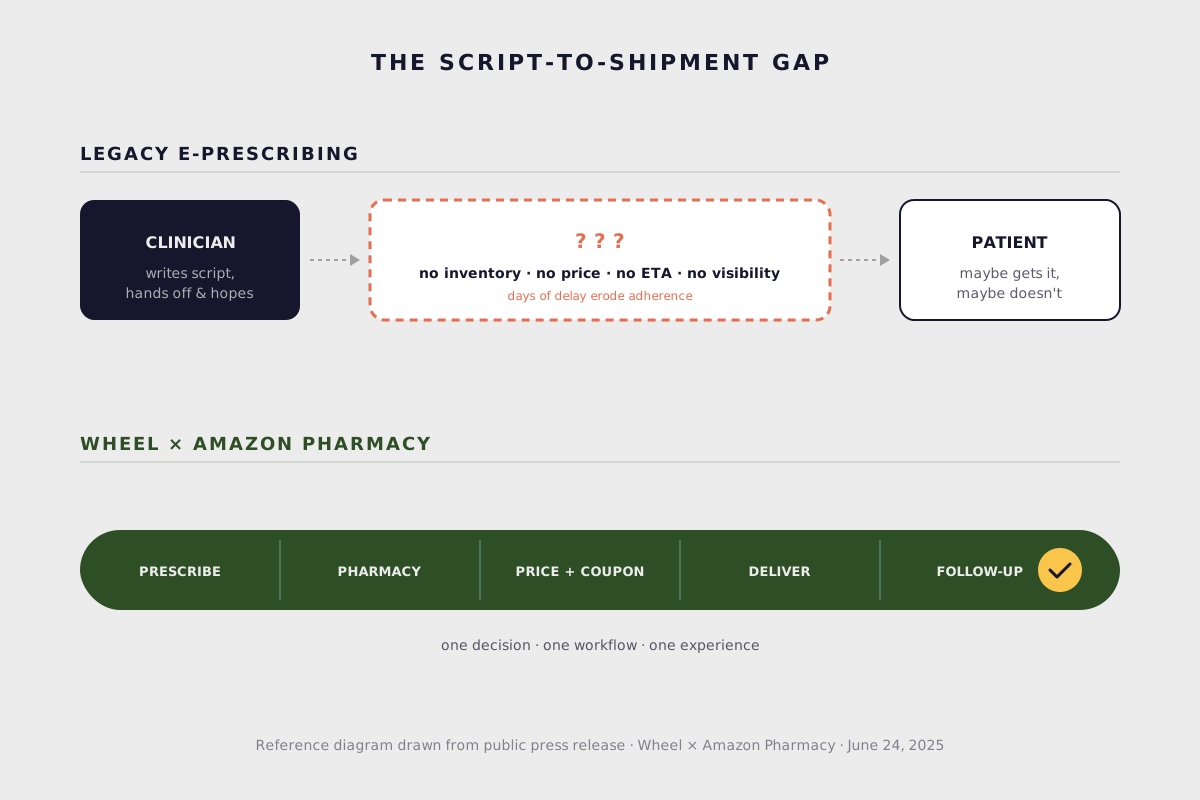
Wheel’s clinicians prescribe across all 50 states, but once a script left the Horizon platform, nobody on the clinical side could really see what happened to it. Patients didn’t know what their medication would actually cost after coupons. They didn’t know if it was in stock. They didn’t know when it would arrive, or in some cases whether it was coming at all. Clinicians didn’t know any of this either, which made the follow-up message a week later harder than it needed to be.
This was a particular problem for Wheel’s GLP-1 and hormone therapy programs. Both categories are expensive, in short supply, and stigmatized enough that patients give up easily when the process gets confusing. Our partners at Wondr Health and Respin Health were telling us that adherence was suffering because of friction we couldn’t even measure.
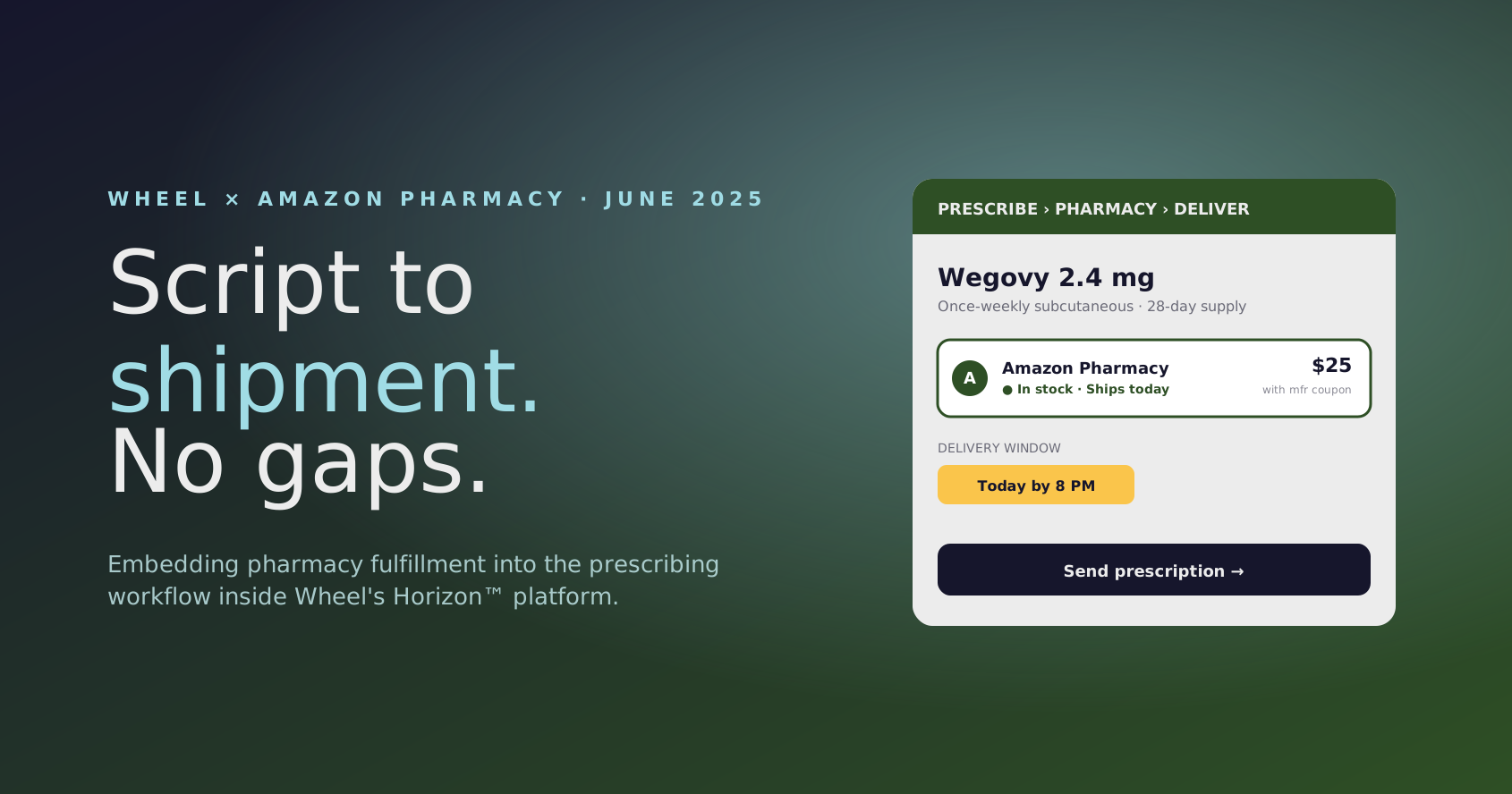
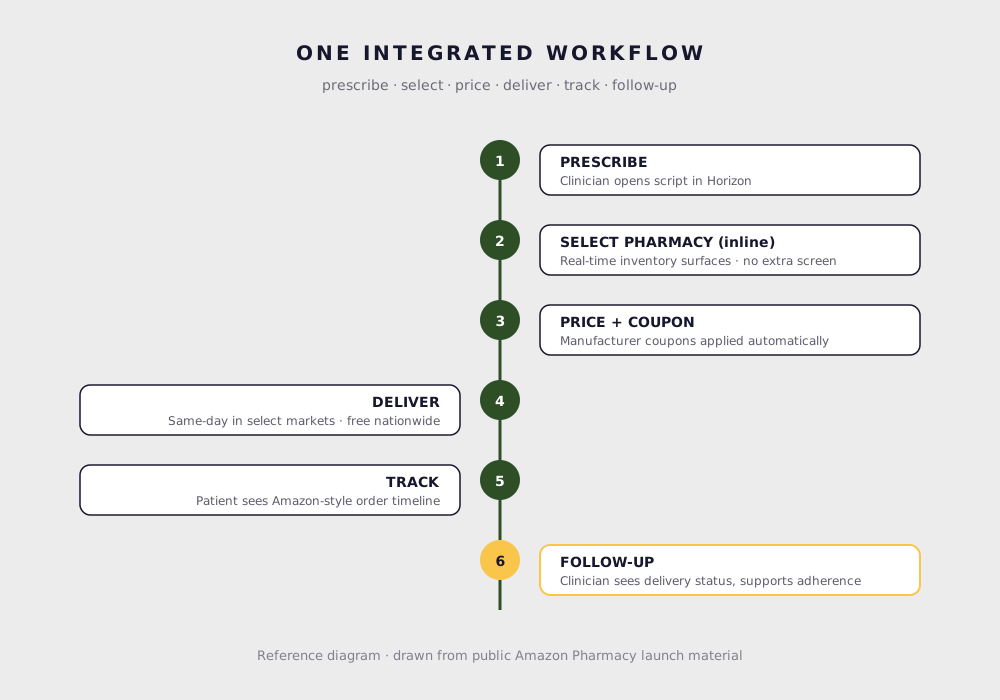
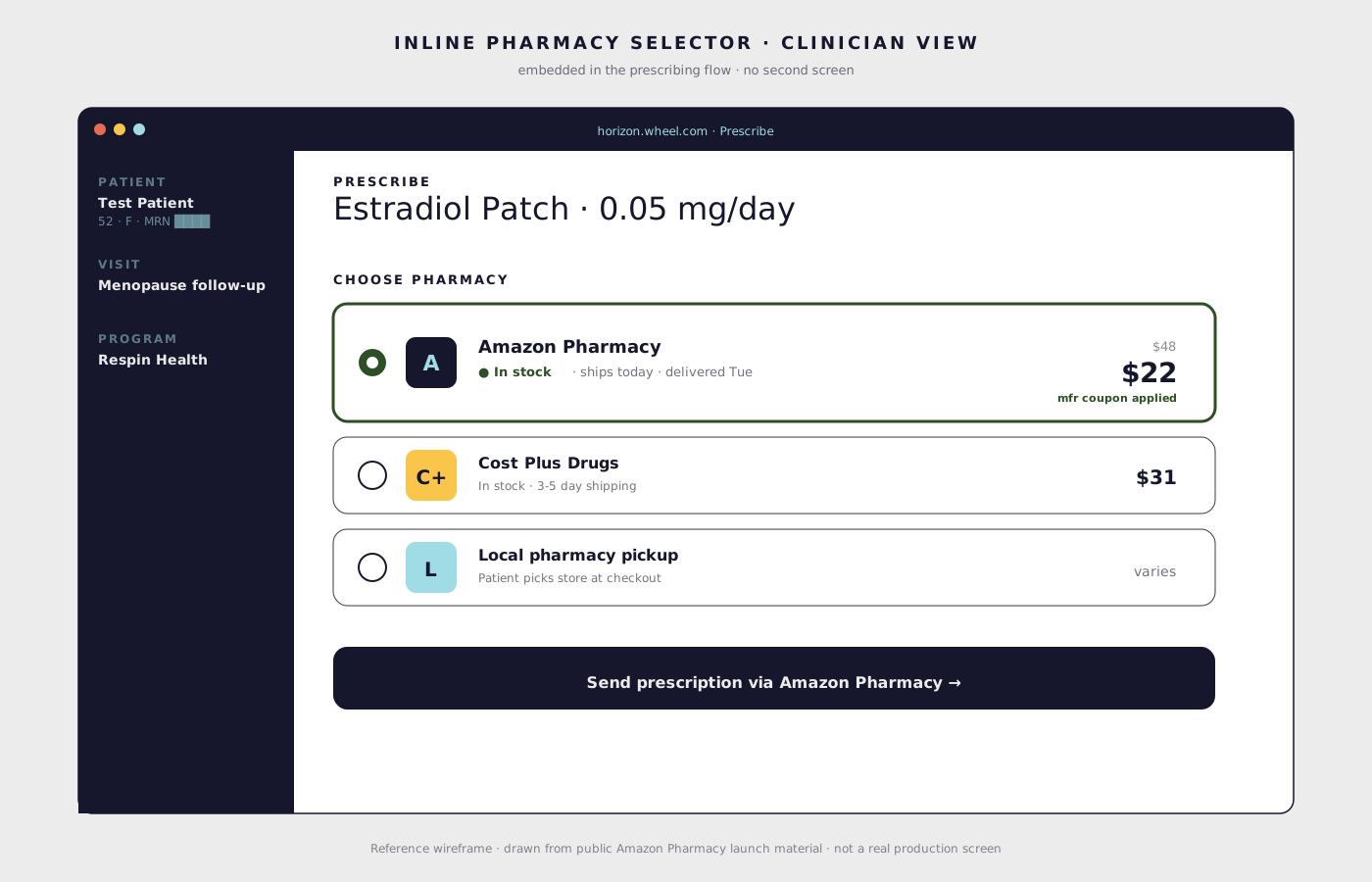
The goal of this project was to integrate Amazon Pharmacy fulfillment into the Horizon prescribing flow, so the clinician could pick a pharmacy, see live pricing and inventory, and send the script all from inside the prescribing screen.
Product Strategy
Research (Meet the users)
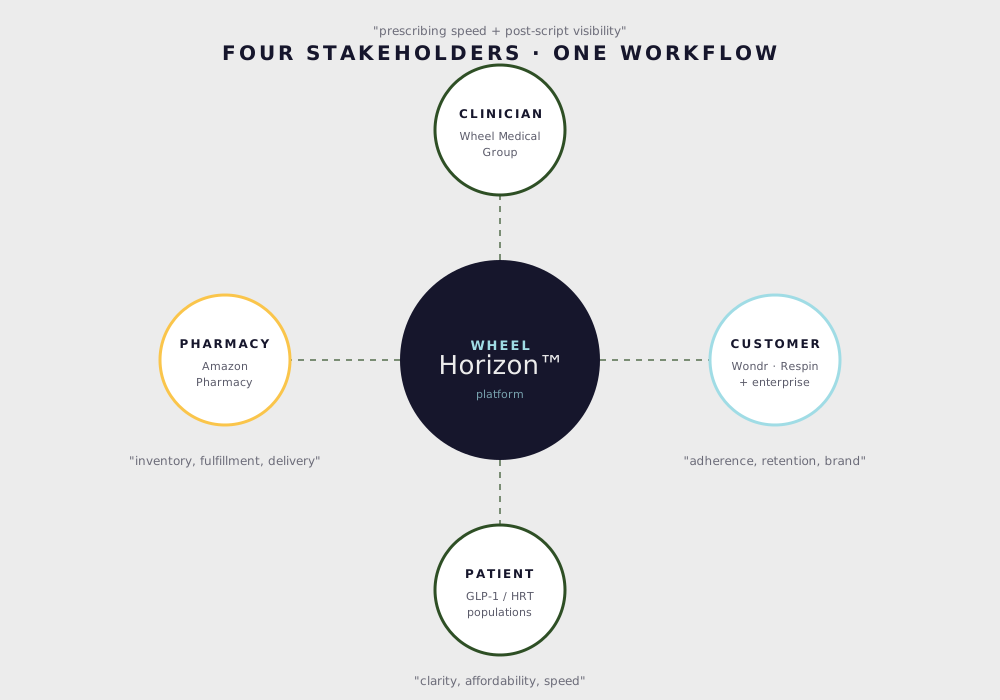
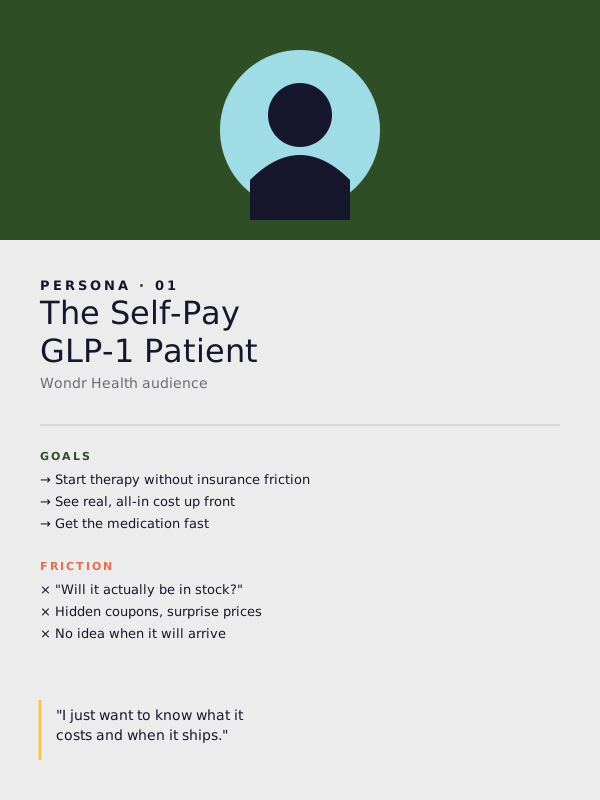
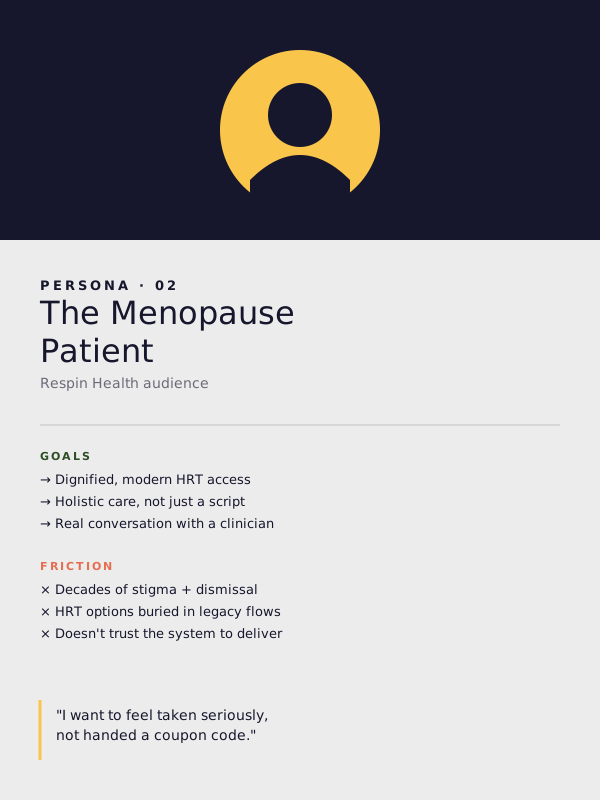
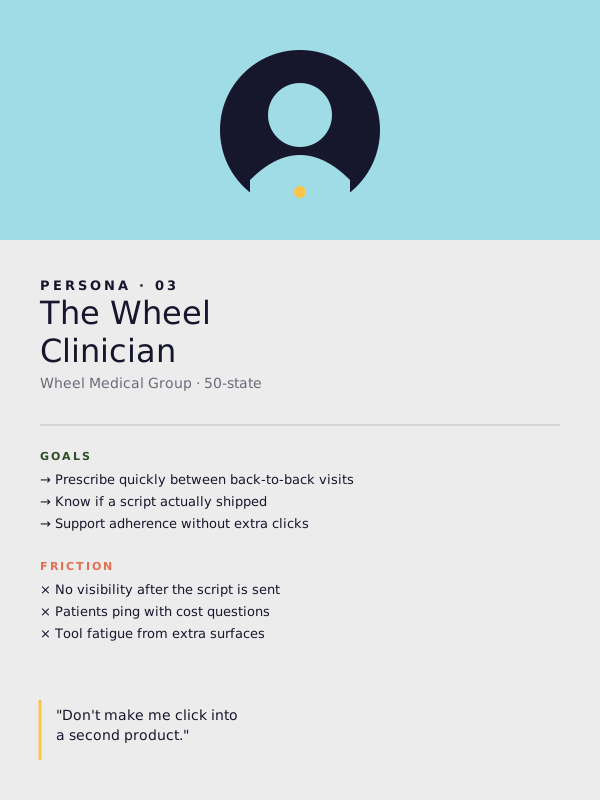
I started by mapping the people on both ends of the prescribing flow. On the patient side, the project covered two of Wheel’s biggest care programs: Wondr Health, which serves self-pay weight management patients on GLP-1s, and Respin Health, the menopause and women’s health brand that prescribes hormone therapy. On the clinician side, every prescriber works inside Wheel Medical Group and rotates between programs, so anything I designed had to work for both populations.
I ran interviews and shadowed prescribing sessions with clinicians from both programs, plus a smaller round of patient research. The themes were not subtle. Patients wanted to know what their medication would actually cost, whether it was in stock, and when it would arrive. Clinicians wanted to know whether the script ever turned into a delivery, because they were the ones getting messages from patients a week later asking what happened. Both sides described the current handoff as a guessing game.
Wireframes (Figma)
The first approach I tried was a separate handoff screen. The clinician would finish writing the prescription, hit send, and then a new screen would come up asking how the medication should be fulfilled. This is how almost every legacy e-prescribing tool works today, so it felt like the safest place to start. I built it in Figma and tested it with a small group of Wheel clinicians and a few patient testers. It did not go well. Clinicians clicked through the handoff screen without reading it. Patients on the receiving end got confused about whether they were still inside the Wheel app or had been handed off to something else.
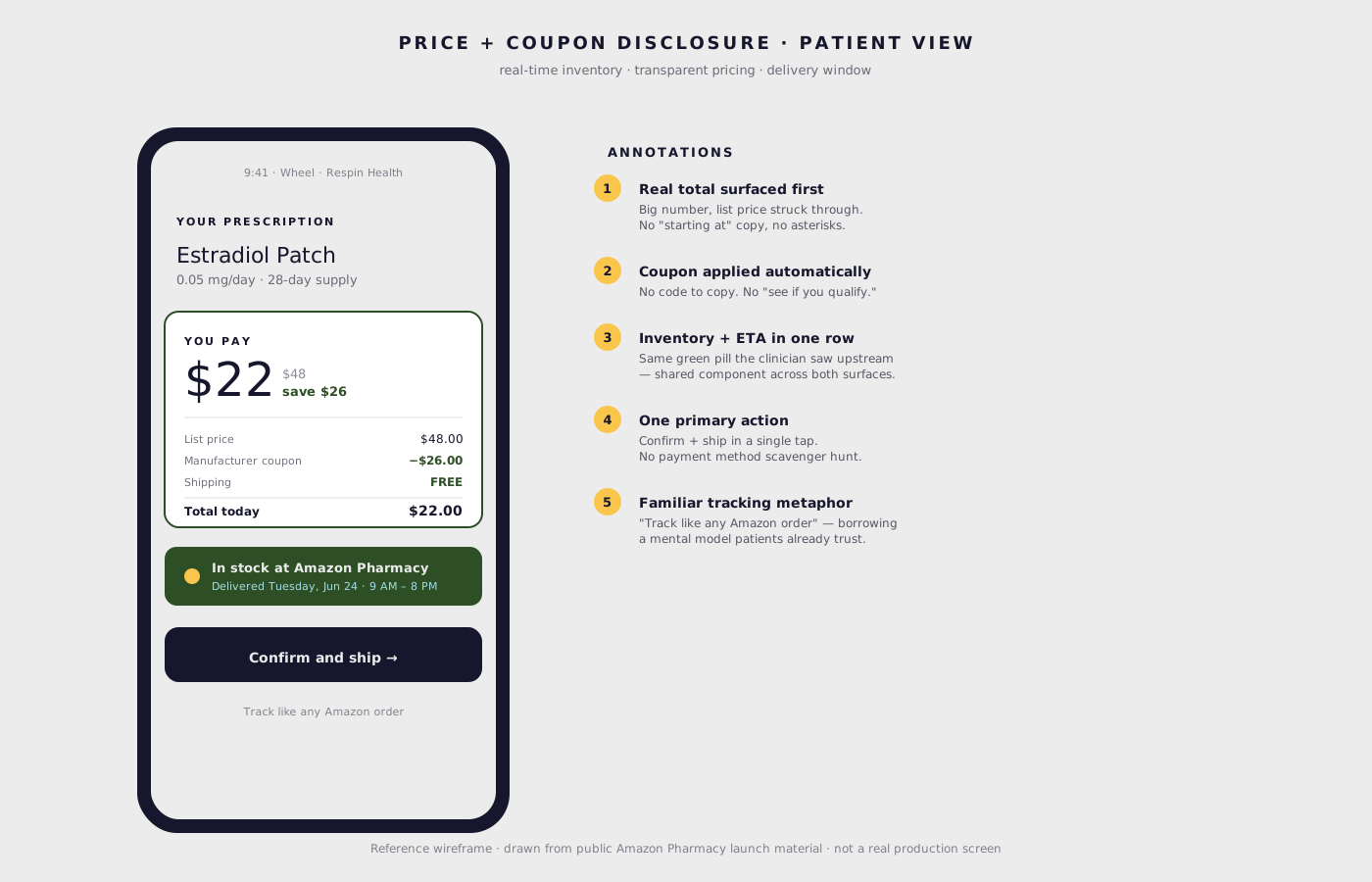
The second approach moved pharmacy choice up into the prescribing screen itself. The clinician sees the medication name, a list of available pharmacies (with Amazon Pharmacy as the launch default), the price after manufacturer coupons, and the next available delivery window in one place. There is one decision to make, and the clinician makes it while writing the script. Patients see the same details in their app a few seconds after the prescription is sent.
I went through several rounds of testing on the inline selector, the price disclosure, and the delivery window control with clinicians on the Horizon platform. The biggest changes were simplifying the price disclosure and showing the delivery window earlier, so patients could see it before they had to commit.
Design System (Horizon UI)
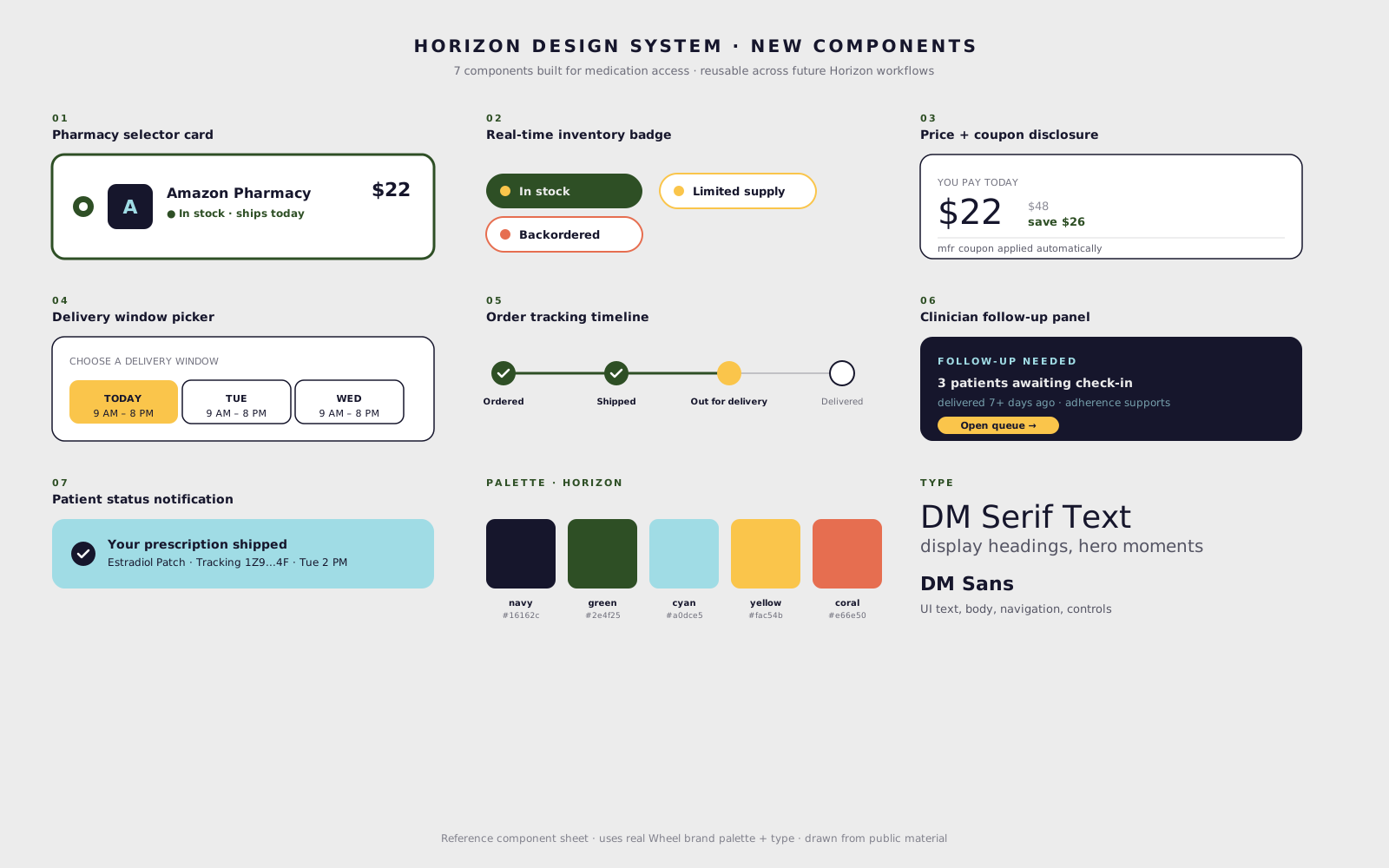
Most of the work shipped as additions to the Horizon design system. I built each of the new components below to work in both the clinician-facing prescribing UI and the patient-facing fulfillment screens, since the same information needs to appear on both surfaces at different moments in the flow.
- •Pharmacy selector card (clinician + patient variants)
- •Real-time inventory badge
- •Price + coupon disclosure pattern
- •Delivery window picker
- •Order tracking timeline (Amazon-style)
- •Clinician follow-up panel
- •Patient status notification
Final Prototype
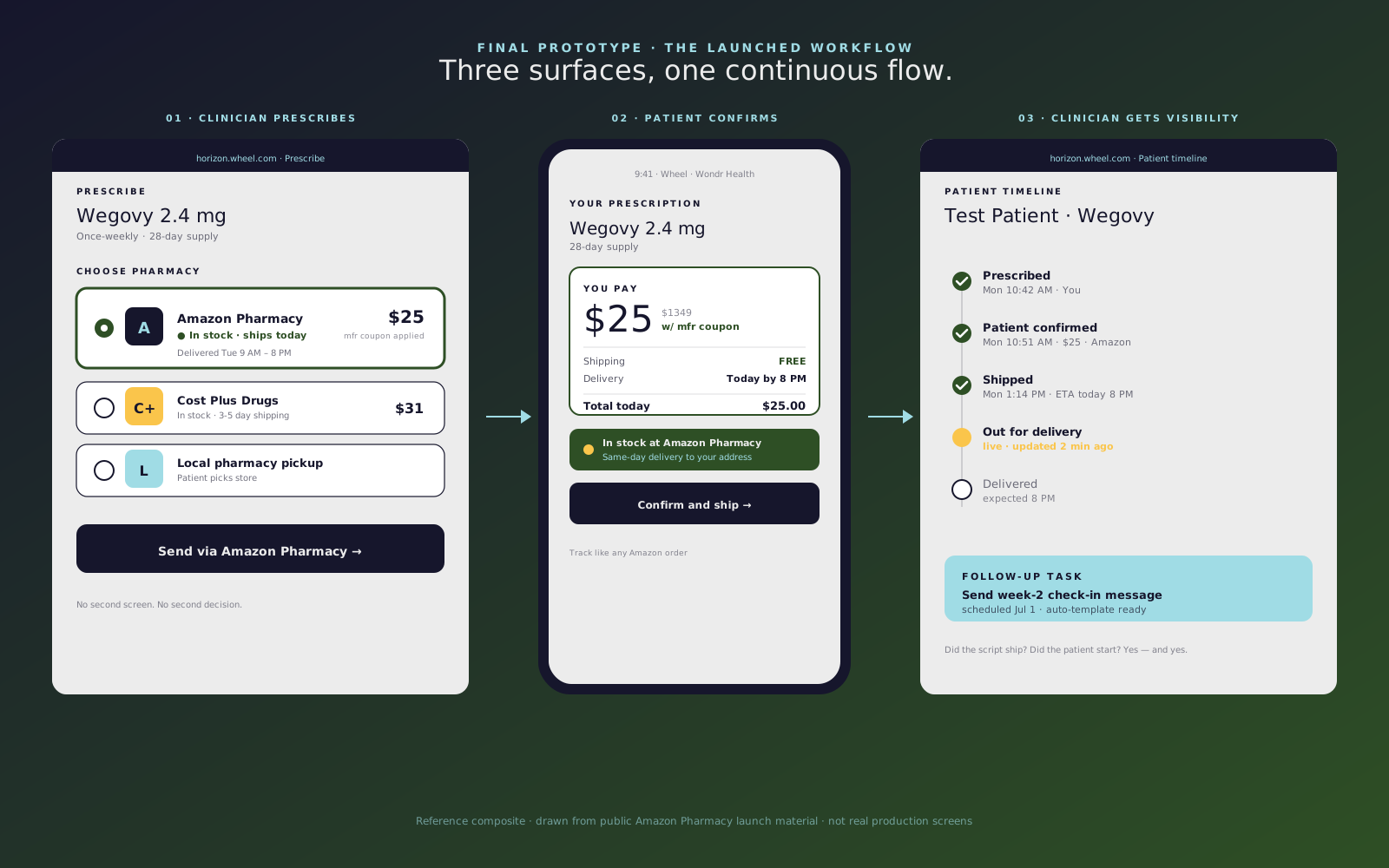
The launched version put Amazon Pharmacy inventory and pricing directly into the Horizon prescribing screen. When a clinician writes a Wegovy script, they can see whether it’s in stock at Amazon Pharmacy, the price after the manufacturer coupon, and the next available delivery window before they hit send. The patient gets a tracking view that looks and behaves like an Amazon order, and the clinician’s dashboard now shows whether the prescription actually shipped, so the follow-up message a week later is based on what happened instead of a guess.
It went live across Horizon on June 24, 2025. Wondr Health’s GLP-1 program and Respin Health’s menopause and women’s health program were both running on it the day it launched.
Impact
- •Launched on Wheel’s Horizon™ platform on June 24, 2025.
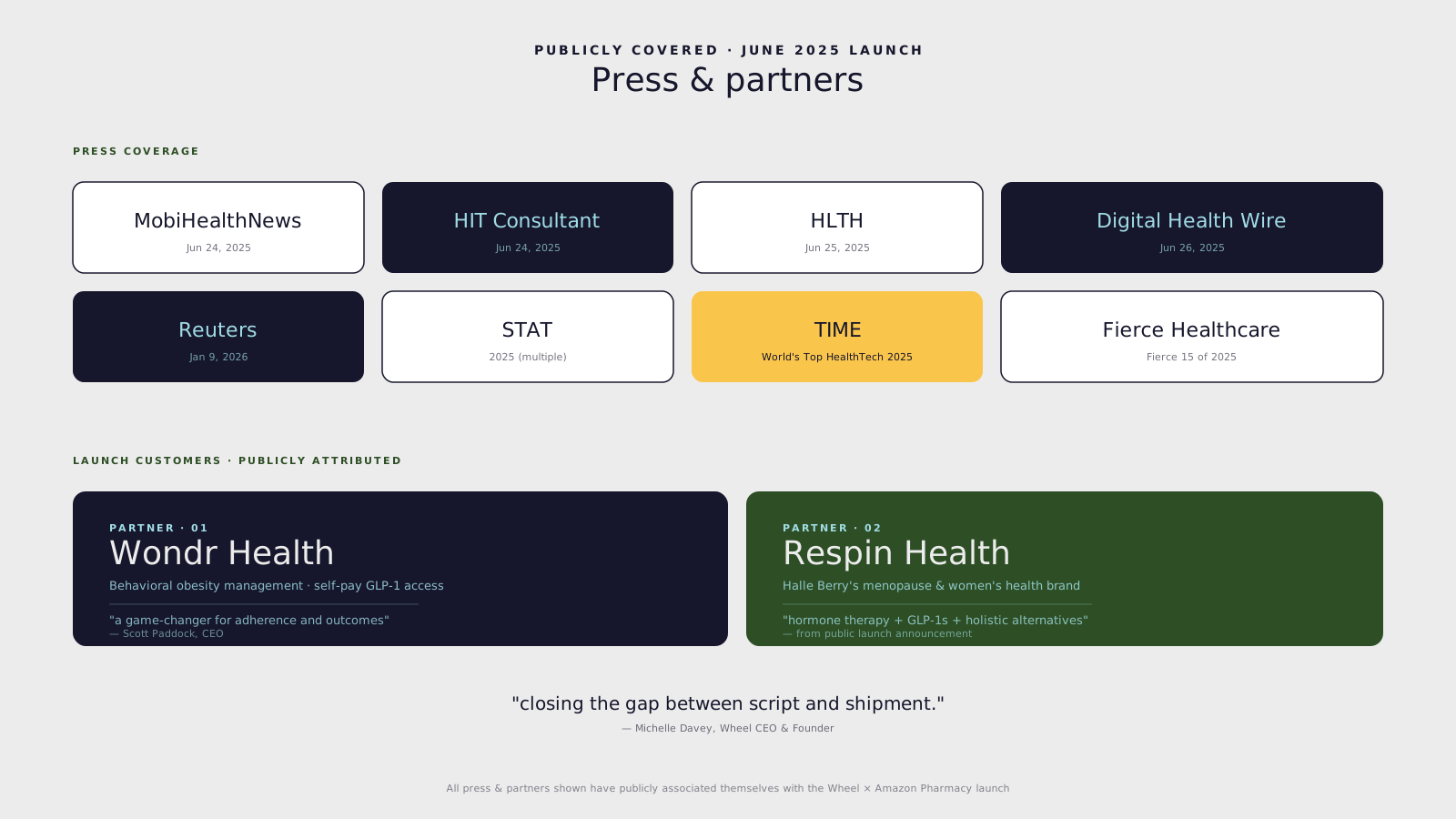
- •Live with Wondr Health for self-pay GLP-1 fulfillment and with Respin Health for hormone therapy access from launch day.
- •First time Amazon Pharmacy inventory, pricing, and delivery were all visible to a Wheel clinician inside the prescribing screen.
- •Replaced the post-prescribing handoff screen with a single decision inside the prescribing UI.
- •Picked up by MobiHealthNews, HIT Consultant, HLTH, Digital Health Wire, and Reuters. Wheel was also named to Time’s World’s Top HealthTech Companies of 2025 and Fierce Healthcare’s Fierce 15 of 2025 during this period.